Adaptation
Resilience to drought, reduced erosion, and improved water retention across restored watersheds and highland landscapes.

Ministry of Planning and Development
Scientific context, national strategies, targets, and governance for climate-resilient development in Ethiopia.
Climate change refers to long-term shifts in temperature and typical weather patterns. In Ethiopia, recent observations show a warming trend and increasing rainfall variability. These changes affect livelihoods and national development through impacts on water availability, agricultural productivity, and ecosystem stability.
Ethiopia is particularly vulnerable because its economy and food systems depend heavily on climate-sensitive sectors. Mitigation and adaptation are not only environmental priorities — they are essential for economic survival, food security, and social stability.
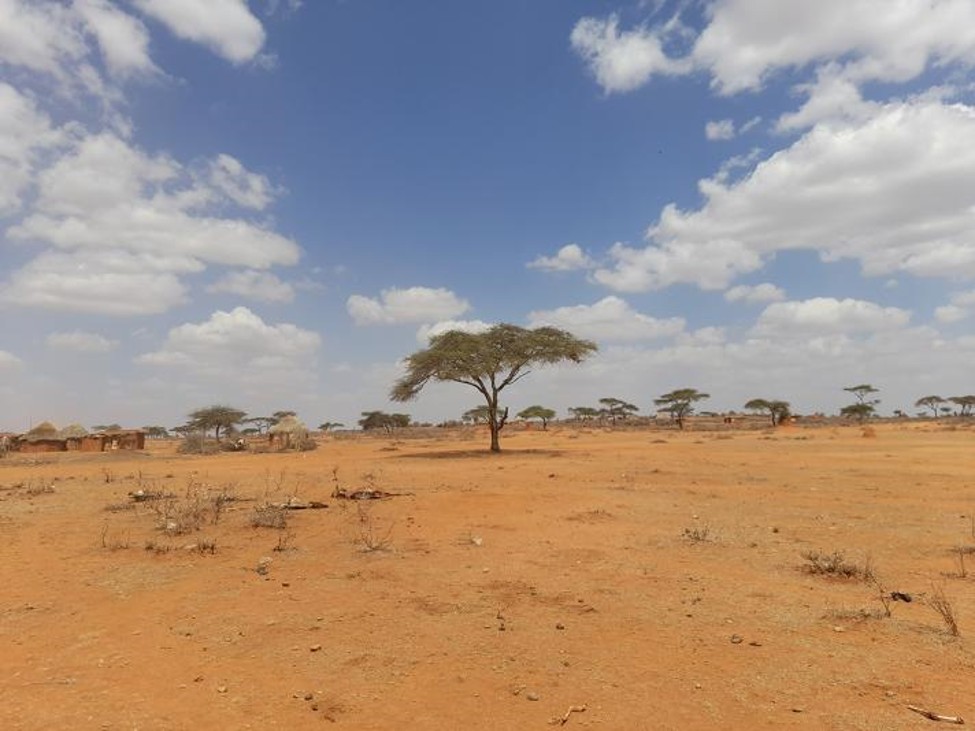
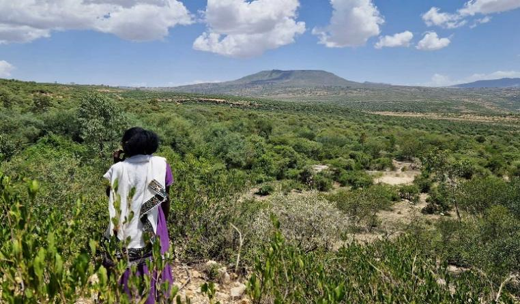
Landscape restoration in Ethiopia’s highlands is a central national response to climate vulnerability. By improving soil health, conserving biodiversity, restoring degraded lands, and strengthening watershed functions, restoration efforts help communities maintain agricultural productivity under changing climate conditions.
Given that Ethiopia’s climate-dependent agriculture supports the livelihoods of the majority of the population, restoration contributes directly to both adaptation and mitigation outcomes.
Resilience to drought, reduced erosion, and improved water retention across restored watersheds and highland landscapes.
Enhanced carbon sequestration through improved vegetation cover, agroforestry, and expanded forest restoration programs.
Ethiopia’s climate action has evolved through major national initiatives:
Ethiopia launched CRGE with the objective of achieving middle-income status by 2025 while pursuing development pathways with no net increase in greenhouse gas emissions.
NAP-ETH is a national framework for strengthening climate adaptation planning and implementation, launched in May 2019 with 18 adaptation options to guide coordinated efforts across sectors and levels.
A national restoration program that has planted more than 48 billion seedlings, with forest coverage reportedly increasing from about 17% to 23.6% toward a 30% national target.
Ethiopia’s enhanced climate action plan strengthening mitigation targets, sectoral strategies, and MRV coordination mechanisms across government.
Long-term roadmap for shifting development toward low-emissions, climate-resilient pathways and aligning policies, investments, and planning with mitigation objectives.
Accelerating the shift to greener, low-emission transport through cleaner technologies, led by the Ministry of Transport and Logistics.
Ethiopia’s 3rd Nationally Determined Contribution, aligned with long-term development vision and strengthened climate ambition for 2025–2035.
Under NDC 3.0 (2025–2035) and LT-LEDS, Ethiopia commits to the following priorities:
Ethiopia generates about 98% of its electricity from renewable sources, including hydropower, wind, and geothermal. Regional interconnection and clean energy development are central to sustaining low-carbon growth.
Ethiopia has established an evolving climate governance framework integrating resilience, low-emission development, and sustainable economic transformation into national planning — guided by CRGE, NAP, NDCs, and LT-LEDS.
MoPD coordinates climate-resilient development under Proclamation No. 1263/2021, overseeing CRGE implementation, NDC coordination, climate monitoring, and strategic policy alignment. Sector ministries mainstream resilience into sectoral plans and implementation.